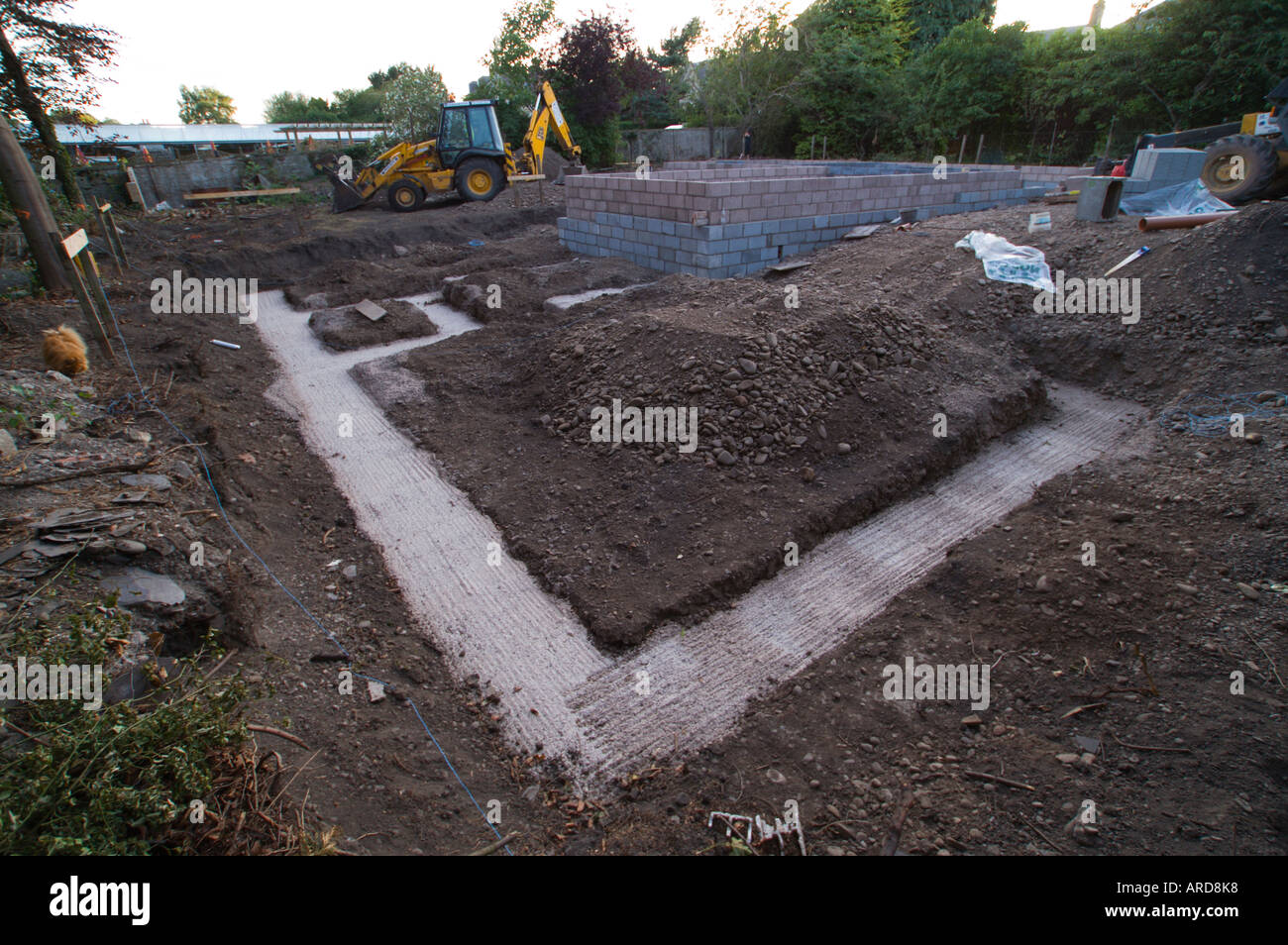
Excavation is a critical aspect of building and land development, serving as the base upon which structures and infrastructures are constructed. In Ontario, a province known for its rich geological features and varying soil conditions, grasping the details of excavation is crucial for both home and business projects. Whether you are planning to dig a fresh house, put in a sewage system, or prepare land for agricultural use, knowledge of local laws, environmental factors, and site readiness can greatly influence the success of your endeavor.
This guide aims to provide a thorough overview of excavation contractors in Ontario, highlighting important factors such as frost depth guidelines, safety regulations, and the significance of adequate site grading. From Excavation Contractor of the Greater Toronto Area to the scenic rural areas, managing the challenges posed by Ontario's soil properties and weather conditions is essential. With considerations ranging from the necessary permissions to essential site preparation checklists, this article will provide you with the information you need to make well-informed decisions for your excavation needs.
Digging Fundamentals in the Province of Ontario
Excavation projects in the Province of Ontario require careful planning and adherence to guidelines to ensure favorable outcomes. One of the initial actions for any excavation project is grasping the frost depth depths in the area. This knowledge is crucial for excavating foundations, as frost can greatly influence the integrity of a structure. By factoring in the frost line, builders can avoid costly mistakes related to foundation issues that could arise from frost heave cycles.
Another important aspect of excavation in Ontario is the necessity for preparatory work before digging. Excavation Services to-do list is imperative for construction of new homes. This checklist typically includes evaluating the land features, determining soil types, recognizing potential hazards, and ensuring that all necessary permits are secured. In addition, it is imperative for builders to utilize the One Call system to protect their excavation projects. This service allows contractors to identify and mark underground utilities, lowering the risk of accidents and expensive disruptions.
Builders must also be aware of the multiple laws enforced by the provincial authority on labor regarding safety during digging. This encompasses grasping safety in trenching and the principles of shoring to protect workers and ensure compliance with legal requirements. By following these regulations and implementing best practices, builders can create a safer work environment, minimizing potential risks associated with excavation work in the Province of Ontario.
Safety Guidelines and Effective Strategies
Safety is paramount in digging operations, especially in Canada where laws are stringent to ensure the safety of workers and the environment. The Ministry of Labour outlines extensive safety standards that excavation contractors must follow to ensure a protected worksite. This includes adequate training for workers on equipment operation, responding to emergencies, and the specific risks associated with excavation, such as cave-ins or contact with subsurface utilities. Safety measures must also encompass detailed site assessments before digging begins, ensuring that all potential risks are addressed.
Contractors should implement effective strategies for safety in trenching, adhering to recognized guidelines regarding trench depth, protective systems, and entry and exit provisions. Engaging a competent safety officer to oversee operations can further boost protection measures. Frequent safety audits and training sessions should be conducted to promote a safety culture within the workforce. Employing appropriate stabilization techniques significantly reduces the risk of collapses, and ensuring that all workers are equipped with PPE is vital in preventing injuries.
In addition to compliance with safety standards, effective communication and collaboration among team members play a vital role in ensuring excavation safety. Using methods like spotters for equipment operation and ensuring clear signals for movement can help prevent accidents. Contractors should also prioritize keeping the worksite neat and free of debris, which contributes to a safer environment. By promoting a proactive approach to safety through continuous training and rigorous compliance to regulations, excavation contractors can safeguard their teams while ensuring operational effectiveness.
Expense Elements and Project Considerations
When planning a excavation project in Ontario, understanding cost factors is essential to effective budgeting. Key factors influencing costs include soil type, site accessibility, project scale, and depth of excavation. For instance, heavy clay soils, common in the Greater Toronto Area, may require specialized equipment and methods, raising overall costs. Additionally, if the site has tight access or requires extensive shoring, contractors may need to consider increased labor and machinery costs to adequately handle these conditions.
Permitting and compliance also play significant roles in excavation project costs. In Ontario, different municipalities have unique requirements that can affect schedules and costs. Securing the necessary permits from conservation authorities can add to the time required for the project and cost. It's essential to navigate regulations, such as those related to the management of excess soil or tree protection zones, to avoid potential fines or project delays. Hiring knowledgeable contractors who know local rules can streamline this process.
Lastly, seasonal considerations can significantly impact excavation costs and logistics. Winter excavation requires specific methods to manage frozen ground conditions, while wet spring seasons may require dewatering strategies to handle high water tables near lakes. Understanding these seasonal challenges will help homeowners and contractors alike to plan effectively, ensuring that cost and timeline align with the realities of Ontario's climate and terrain.