

Digging is a crucial component of all construction project, laying the groundwork for projects ranging from residential homes to massive commercial complexes. In Ontario, the diversity of soil conditions, environmental regulations, and seasonal challenges make choosing the right excavation contractor a crucial decision. Whether you are set to begin for a new home build in the lively suburbs of the Greater Toronto Area or overseeing a commercial development in Southern Ontario, grasping the intricacies of excavation is essential to ensure that your project begins on solid ground.
This guide aims to walk you through the important aspects of locating and working with premier excavation contractors in Ontario. From grasping local frost line depths and excavation regulations to navigating the complexities of soil types, we will cover everything you need to know to make informed decisions. You'll learn about crucial safety practices and site preparation, how to efficiently manage costs, and what to consider when facing unique challenges like heavy clay soil or winter excavation. With the accurate information, you can with assurance embark on your excavation journey, ensuring a strong foundation for your future construction plans.
Digging Basics and Laws in the Province of Ontario
Digging in Ontario is a vital process that establishes the foundation for various building projects, ranging from residential homes to business structures. Understanding the basics of excavation involves understanding of different soil types, frost line depths, and requirements for foundations that are particular to the region. The depth of the frost line in the Province of Ontario generally varies from 1.2 meters to 1.5 meters, based on the local climate, and is crucial for making sure that footings are installed below the freezing point to prevent heaving and foundation damage.
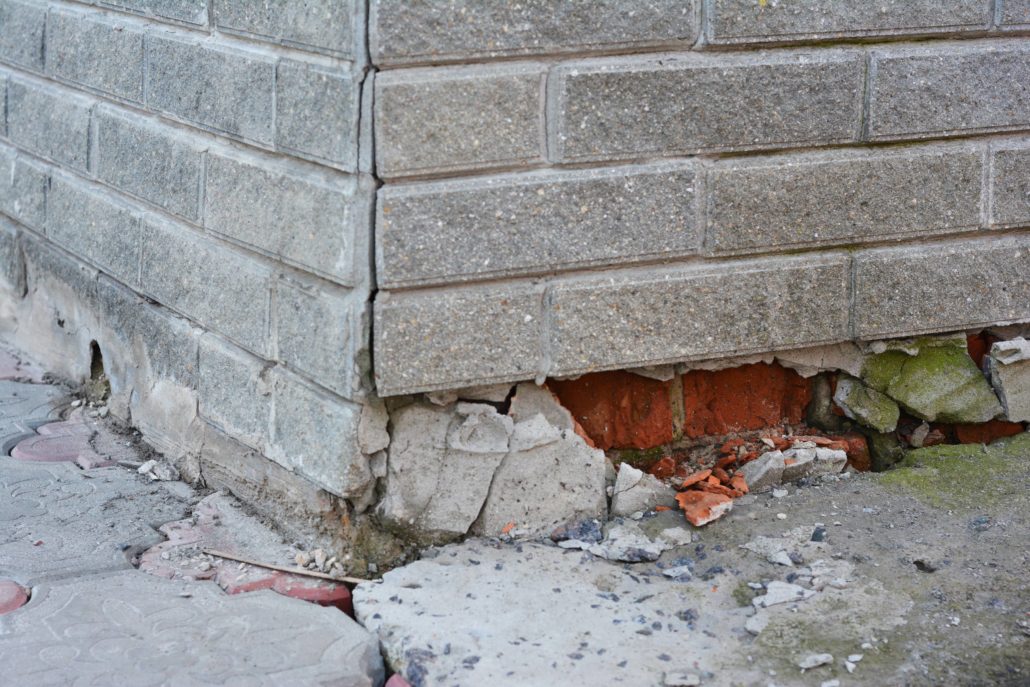
Understanding the rules surrounding excavation is essential for adhering to standards and safety measures. Ontario One Call is a crucial tool that protects digging projects by allowing contractors and homeowners to inform utility companies of planned digging activities. This service helps avoid accidental damage to underground utilities, which can lead to interruptions in service and penalties. All digging projects should incorporate a thorough site preparation list, addressing factors such as drainage, pathways for access, and environmental considerations, to ensure compliance with regional laws.
Contractors must also adhere to the regulations set by the Ontario Ministry of Labour regulations regarding trenching security and shoring methods. These regulations are in place to avoid incidents and ensure that worksite safety is prioritized. It’s vital for those who dig to understand the specific requirements for shoring, especially in larger excavations, to safeguard workers and maintain site integrity. By understanding the basics and regulations of excavation, individuals and contractors can properly handle their projects while making certain of safety protocols and adherence to regulations.
Pricing Components and Site Setup for Digging
Determining the cost of excavation work in Ontario requires a close analysis of different elements. One of the primary considerations is the nature of the job, whether residential or commercial, as each has unique criteria and regulations. Moreover, location-specific circumstances such as soil type, approach, and the availability of subsurface utilities can greatly influence the complete expense. For case, compact clay ground commonly found in the Greater Toronto Area may require specific tools, which can raise cost. Comprehending these aspects early can assist property owners finance efficiently for their excavation demands.
Adequate site preparation is vital for a smooth excavation project. Property owners should think about creating a thorough site preparation checklist before engaging with contractors. This list may encompass elements such as acquiring necessary licenses, ensuring compliance with local codes, and executing a comprehensive assessment of the property. It's also crucial to establish a definitive approach for handling excess soil, particularly under Ontario's Soil Management Regulations. This step not only tackles regulatory compliance but also reduces unexpected costs during the excavation process.
Finally, the importance of effective site preparation spans to issues like erosion prevention and drainage control. Adopting measures to preserve tree protection zones during excavation is crucial for protecting the health of nearby vegetation and confirming compliance with ecological standards. Addressing these concerns proactively can lead to a less complicated excavation project, limit unforeseen problems, and finally affect the budget effectiveness of the work. By understanding these cost elements and prioritizing site preparation, property owners can take educated considerations and facilitate a more efficient excavation process.
Security Practices and Ecological Factors
When undertaking excavation projects in the province of Ontario, ensuring security should be the top concern. Excavation Companies requires following to the regulations set forth by the provincial labor authority, which details necessary protocols for trenching security and shoring. Excavating Contractors must be diligent in training their teams, utilizing personal protective gear, and implementing suitable warnings to alert bystanders about ongoing work. Maintaining secure work zones and employing techniques to prevent collapses are crucial steps that not only protect employees but also take into account the obligations towards the local community.
Environmental factors are just as significant in excavation projects. Proper management of soil and water runoff is essential to prevent erosion and preserve local ecosystems. Adhering to conservation authority standards, especially for projects adjacent to water bodies, is a requirement that helps mitigate ecological effects. Moreover, handling excess soil in accordance with Ontario’s regulations on soil disposal ensures that excavated materials do not contribute to pollution or deterioration of surrounding lands.
Finally, protecting trees and natural habitats during site preparation cannot be ignored. Implementing tree protection zones and following best procedures during excavation can substantially reduce the likelihood of damaging vital vegetation. By prioritizing safety and environmental stewardship throughout the excavation process, contractors can effectively complete their operations while maintaining a dedication to sustainable methods in Ontario.