

Excavation is a crucial step in the construction process, serving as the groundwork upon which homes, commercial buildings, and utilities are built. In the region of Ontario, excavation contractors play a key role in ensuring that projects not only begin on secure ground but also follow a myriad of regulations and standards. From understanding the depth of frost lines for foundation excavation to managing the difficulties of different soil types, contractors are critical for navigating the challenges that arise during the excavation process.
As urban development continues to expand across Ontario, the importance of skilled excavation contractors becomes even more evident. With distinct considerations such as frost depths, clay-rich soil, and wetland regulations, these professionals are ready to handle the particular traits that impact every excavation project. Their expertise not only promotes efficient site preparation but also ensures safety and compliance with local regulations, making them indispensable partners for development initiatives throughout the province.
Comprehending Excavation Rules in the Province of Ontario
Excavation companies within Ontario have to understand a complicated set of of which regulate their operations. Such laws are created to provide security, environmental protection, and adherence with local zoning standards. Key agencies, such as the Ontario Labor Ministry and the local environmental agencies, set standards that contractors must follow, including areas such as preparation of sites and excavation techniques to waste management and soil handling. Adhering to these regulations is crucial not only to protect the safety of personnel but also for lessening the effects of construction activities on the surrounding surroundings.
One significant element of excavation laws in the Province of Ontario includes the necessity for obtaining the required permits prior to starting work. This process may involve meetings with conservation authorities, especially in areas prone to flooding or that have delicate ecosystems. Contractors should to get licenses that address aspects such as managing water, protection of trees, and controlling erosion. Furthermore, Excavation Services related to surplus soil management (O. Reg. 406/19) specify how excess soil should be managed and disposed of, requiring digging companies to be knowledgeable about their duties to preserve local waterways and soil.
Companies must also adhere to certain health and safety requirements, particularly those related to digging trenches and supporting excavations as defined by the Ontario Labor Ministry. Such standards ensure that digging activities are conducted in a safe manner and that workers are safe from risks. As the regulations established, it is imperative for digging companies to stay informed about changes and updates to legislation, ensuring their methods align with up-to-date safety and environmental standards. This diligence not only protects workers and the public but also boosts the reputation and reliability of the professional in the competitive digging market.
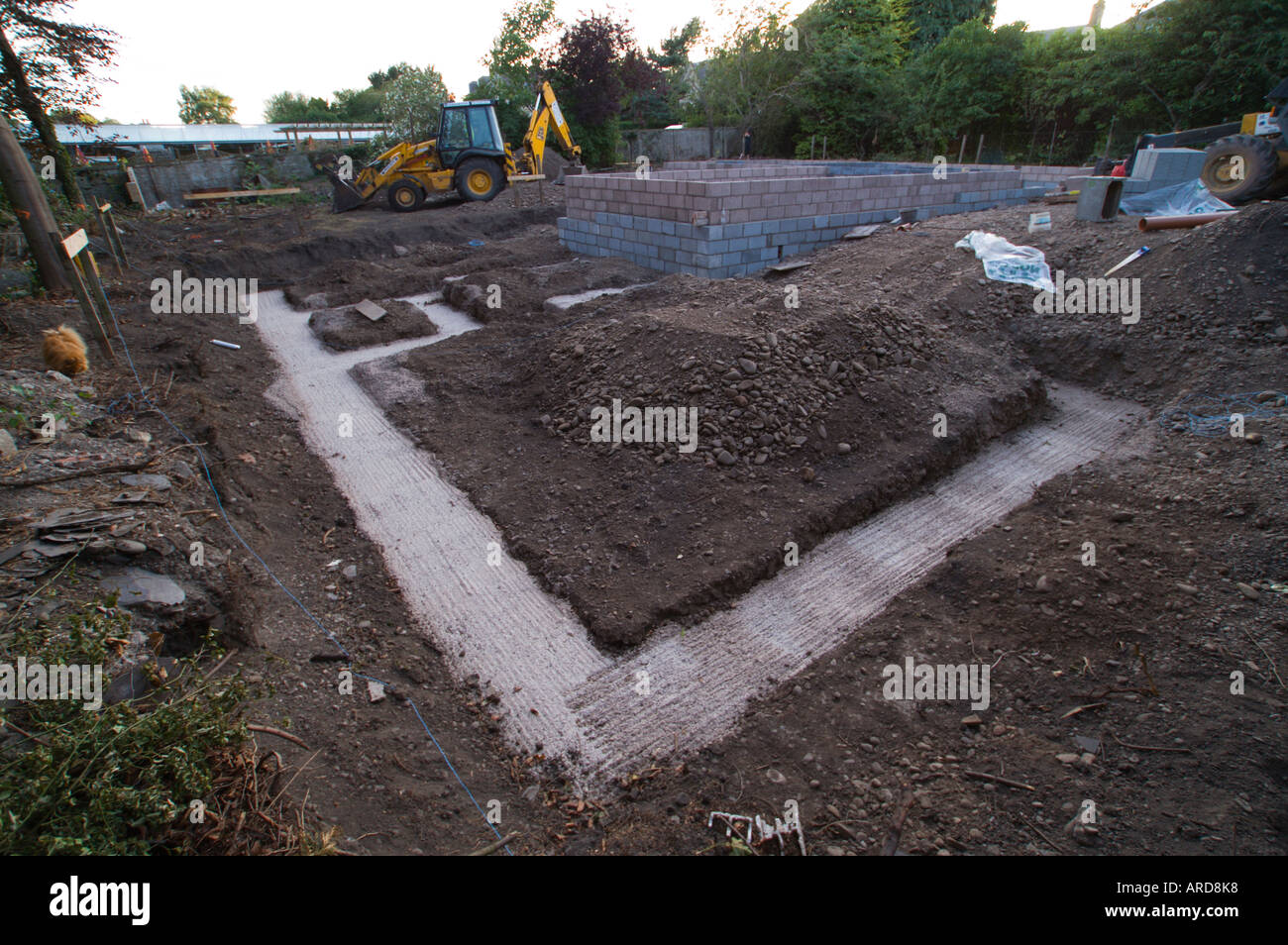
Fundamental Approaches and Optimal Guidelines for Digging
Effective excavation projects in Ontario necessitate an awareness of essential techniques and best practices to ensure security and effectiveness. One of the main techniques entails accurately assessing the location conditions before any work starts. This includes performing a thorough examination of ground types, moisture content, and existing utilities, which can all affect excavation methods. Utilizing tools such as soil compaction testers can help in evaluating the stability and appropriateness of the ground for construction needs.
Safety is critical in excavation work, especially when navigating guidelines set by the Ontario Ministry of Labour. Applying trenching safety measures is essential for protecting workers on-site. This can consist of proper shoring techniques to prevent cave-ins, using personal protective equipment, and following established protocols for emergency response. Contractors should also confirm that all team members are trained and trained regarding safety regulations to minimize on-site accidents.
Additionally, managing weather impacts is essential for successful excavation in Ontario. Excavation Contractor can pose challenges, such as frozen ground in winter or heavy rainfall during spring. Excavation contractors can implement techniques like winter excavation methods to securely dig through frozen soils or employ dewatering techniques near high water tables. By recognizing these practices and anticipating various conditions, excavation contractors can boost productivity while upholding the integrity of the project and safety standards.
### Cost Factors and Considerations for Excavation Projects
Comprehending the cost factors pertaining to excavation projects in Ontario is vital for homeowners and contractors alike. One of the key factors involves the type of soil being excavated. Heavy clay soil, which is commonly found in the Greater Toronto Area, demands more robust equipment which might demand additional labor, raising overall costs. Additionally, the local frost line depth must be assessed, as excavation below this depth may involve more complex and costly strategies for foundation preparation, particularly in home constructions.
Another critical factor is the regulatory environment surrounding excavation. Navigating permits and compliance with local conservation authorities can increase the expenditure. These costs may vary depending on particular jobs, such as septic tank installations or municipal work, and understanding the necessary permits can be essential for budget planning. Moreover, Ontario's Excess Soil Management Rules require thorough planning and possible additional costs for soil disposal, making it necessary to incorporate these considerations early in the project.
Finally, climatic factors play a significant role in excavation costs. Excavation in winter often demands specialized equipment and techniques to securely dig through frozen ground, which can also prolong project timelines and raise labor costs. Furthermore, managing mud season and spring runoff is vital to maintaining site accessibility and safety, as poor conditions can lead to delays and increased operational costs. Proper planning and understanding of these factors can help in efficiently handling the budget for any excavation project in Ontario.